
Automatic Lubrication Systems for Multi-Point Equipment
Centralized systems pump grease from a single reservoir through metering valves to dozens of bearing points on a programmed cycle. Armor distributes the pumps, controllers, distribution valves, and tubing that build them.
Multi-point grease points exceed manual reach
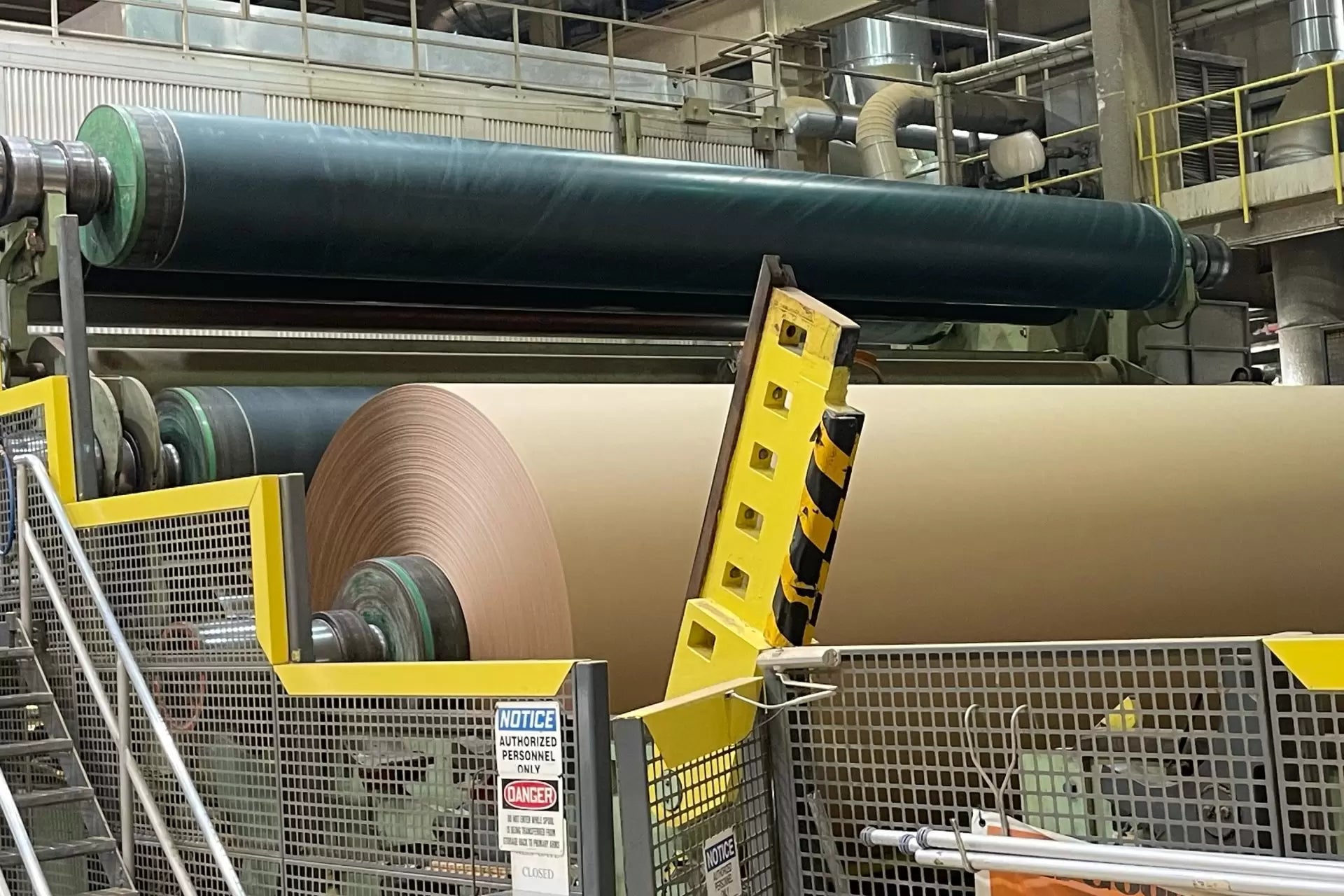
A haul truck carries 60-plus grease points. A paper-machine press section runs past 100. A conveyor system's head and tail pulleys add another row. At fleet scale there isn't enough technician time to manually grease every point on the right interval, and the points that get missed are exactly the ones that fail. Centralized systems take the human reliability out of the lubrication chain.
One pump, programmable controller, distribution network
A central pump dispenses grease at programmed intervals. Distribution valves split the supply across the bearing points in fixed ratios. The controller logs cycles for compliance and alerts you when a feed line goes blocked or empty.
- Reservoir-mounted pumps from 1 to 30+ liter capacity
- Progressive divider valves that meter precisely per point
- Controllers with cycle logging and fault alerts
- Compatible with standard NLGI greases
Products that solve this
Distribution Valves
Bijur Delimon and Farval progressive divider valves for multi-point delivery.
Browse distribution valvesIndustries that face this problem
Where we see automatic lubrication questions come up most.




Common questions
How do I size a centralized system for my equipment?
Send a layout drawing or grease-point map with the bearing sizes and re-lube intervals. Sizing comes down to total grease-per-cycle, duty cycle, and tubing-run length: pump capacity has to deliver the per-cycle volume across all points, divider valves have to meter the right ratio per bearing, and tubing diameter has to keep back-pressure within pump limits. We work from the drawing back to the bill of materials.
What's the difference between progressive and parallel systems?
Progressive systems meter grease in fixed ratios through a series-connected divider valve — block one outlet and the entire system stalls, which is the design intent because the stall is a built-in fault indicator. Parallel systems feed each outlet independently and are simpler to install, but a blockage at one point is invisible until the bearing complains. Progressive is the standard answer where fault detection matters; parallel still has a place on shorter runs and lower-criticality equipment.
Brands that solve this