
Contamination Control for Industrial Lubricants
Contamination is the leading cause of premature bearing and hydraulic failures. Armor distributes the breathers, filters, and isolation hardware that keep particulates and water out of your reservoirs.
You can't outrun ingress with extra oil changes
Changing oil more often does not fix contamination — it just resets the clock at a higher operating cost while the contamination keeps getting back in. The durable fix is keeping particulates and water out of the reservoir in the first place: filtered breathing at the vent, sealed quick-disconnects at fill ports, isolated sight glasses, and properly specified hose and fitting standards. Once you control ingress, oil-analysis trends flatten and intervals can be safely extended.
Block the entry points
A contamination-controlled reservoir uses a desiccant breather, fill ports with quick-disconnect couplings, sealed sight glasses, and offline filtration to bring already-circulating oil back to ISO cleanliness targets.
- Desiccant breathers for reservoir breathing
- Sealed quick-disconnect couplings for fill ports
- Offline filtration carts for periodic deep cleaning
- ISO cleanliness targets per equipment manufacturer specs
Products that solve this
Industries that face this problem
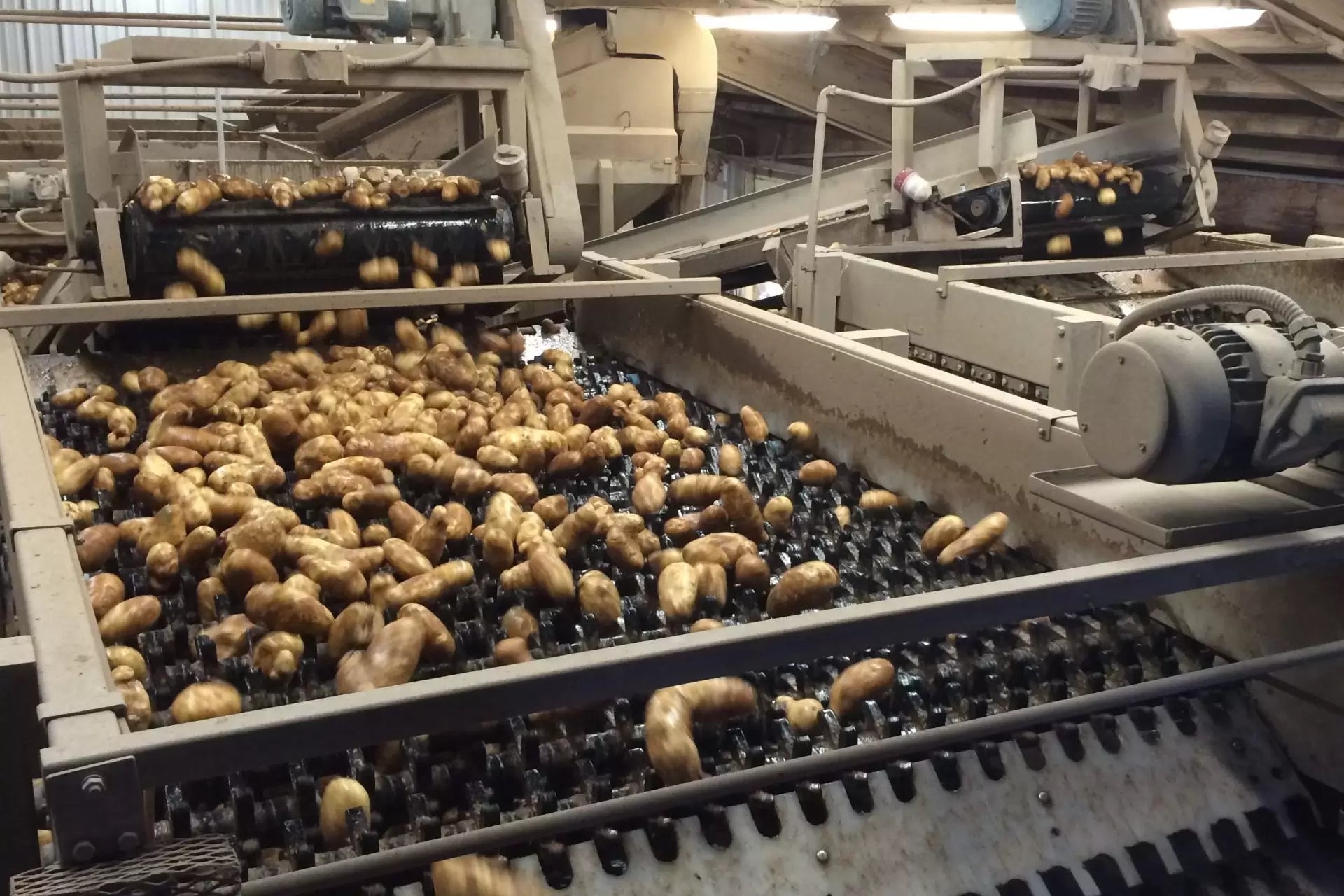
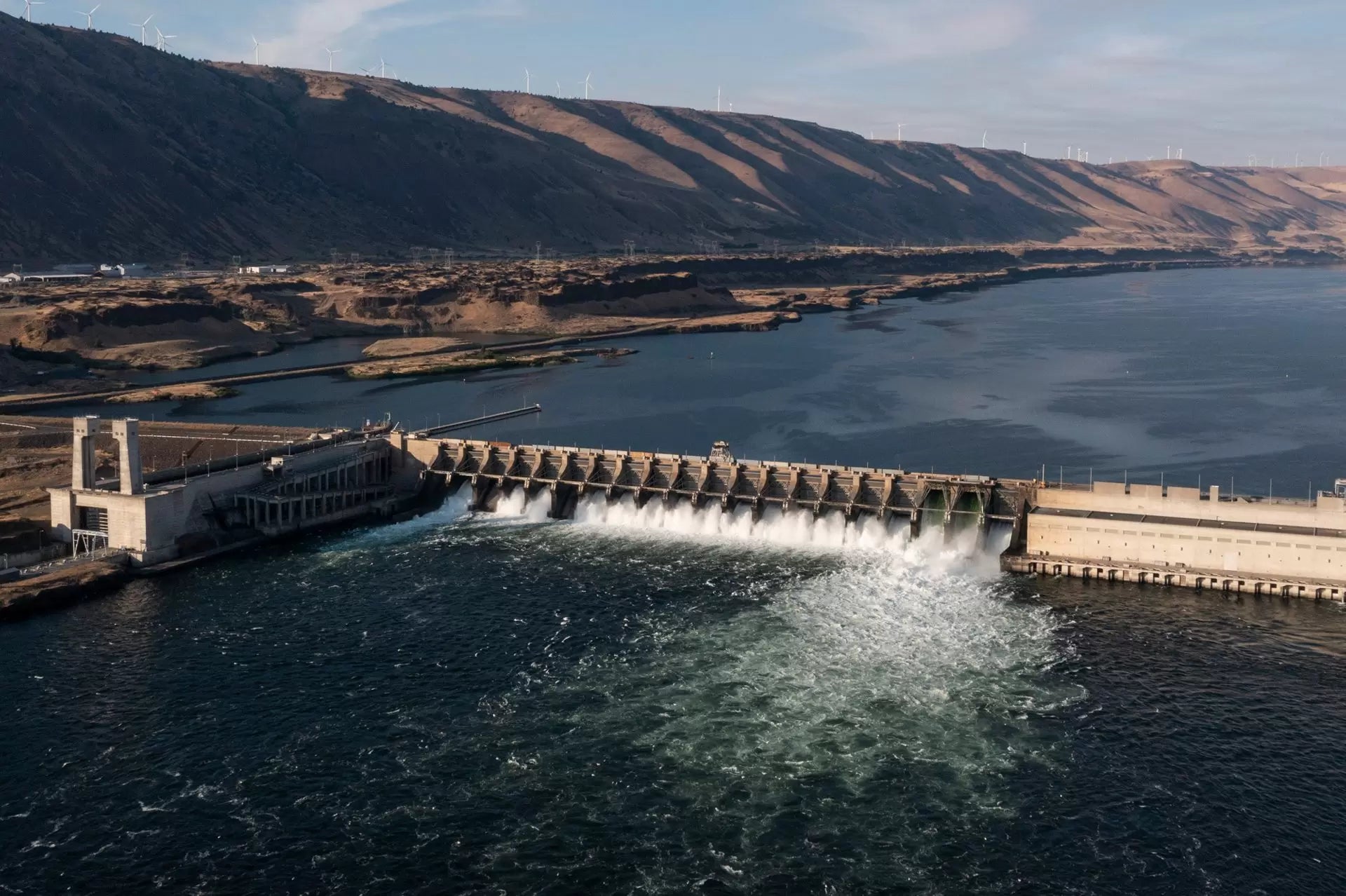
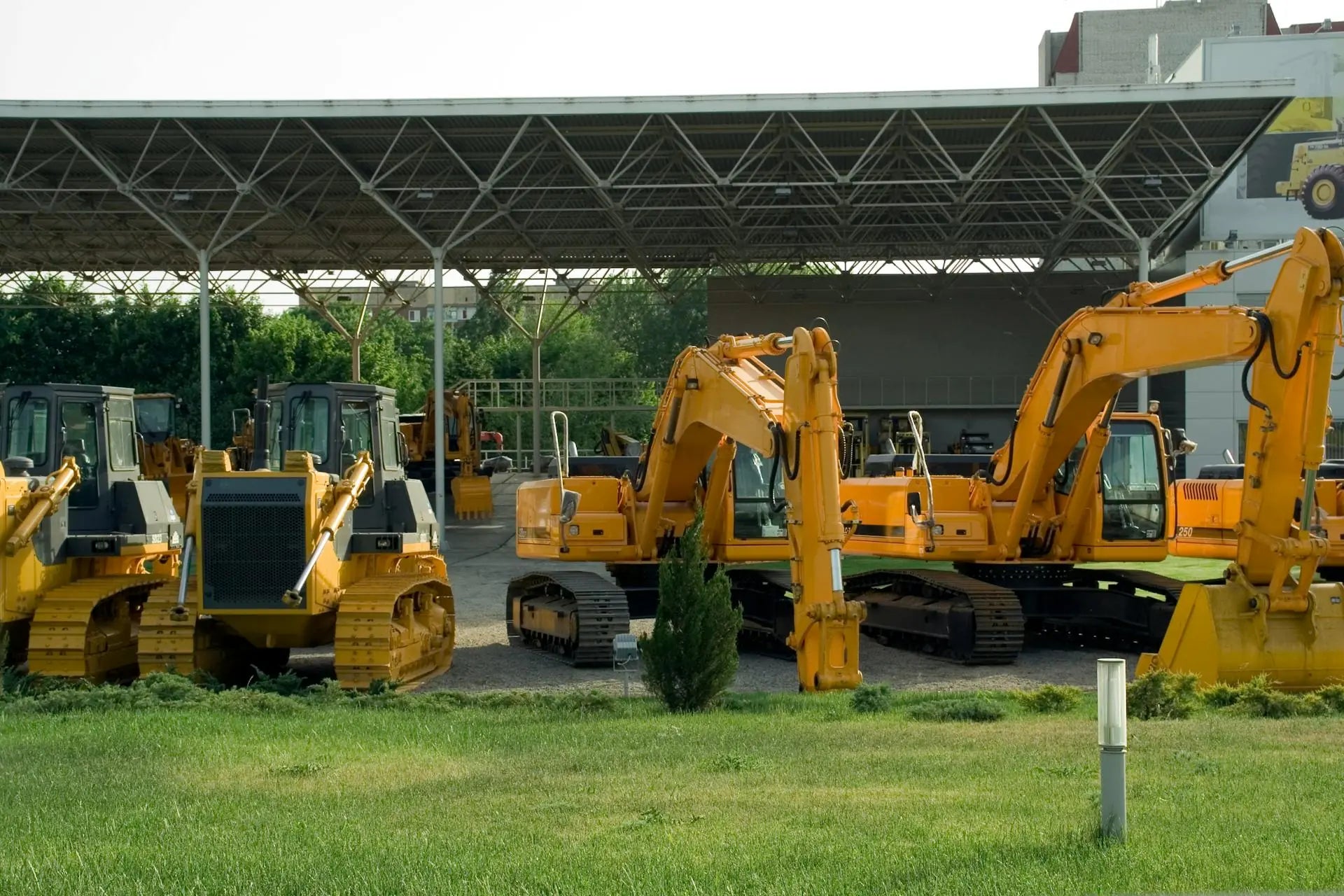
Where we see contamination control questions come up most.





Common questions
What ISO cleanliness target should I shoot for?
Equipment manufacturer specifications are authoritative — they reflect the design tolerances of the bearings, valves, and hydraulics in service. As industry starting points: hydraulic systems often target ISO 18/16/13, gearboxes often target ISO 19/17/14, and high-pressure servo systems push tighter to ISO 16/14/11. Match or beat the OEM spec; if the equipment is running hot or wear-metal counts are elevated, the cleanliness target needs to come tighter.
Brands that solve this